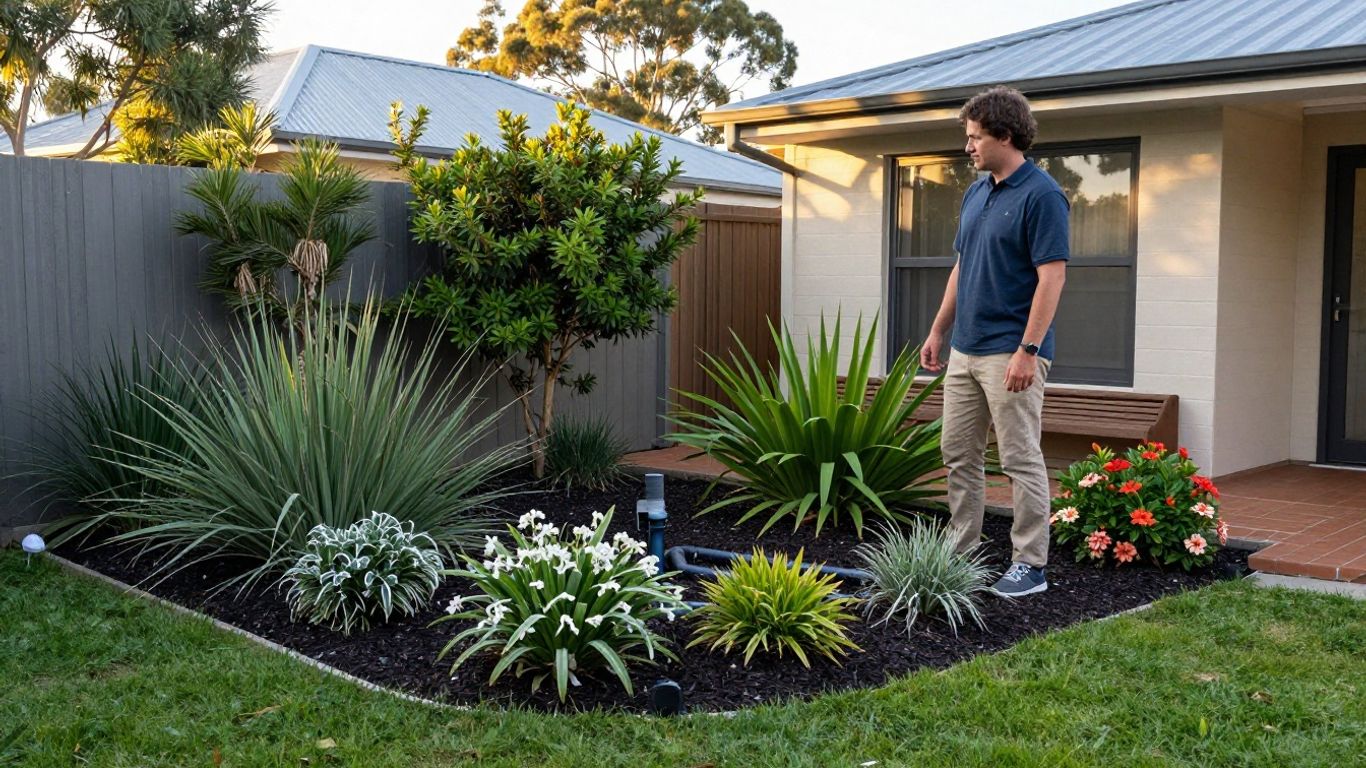
How a greywater garden system works
A greywater garden system redirects some lightly used household water to suitable garden areas instead of sending all of it straight to the sewer. The arrangement can be simple or more involved, but its purpose is the same: move water safely from selected fixtures to plants and soil. Understanding what can be reused—and what should stay out of the system—makes the design easier to plan.
What counts as greywater—and what does not
Greywater generally means wastewater from showers, baths, bathroom basins and washing machines. It is not drinking water, and even when it looks clear it can contain soap, dirt, lint and microorganisms. Water from toilets is sewage, often called blackwater, and is not suitable for a garden greywater arrangement. Kitchen sink and dishwasher water may also be excluded or treated differently under local rules because it can contain food scraps, grease and a higher organic load.
How water moves from household fixtures to the garden
A diversion system takes water from an approved fixture’s waste pipe and sends it through pipes to garden outlets. In a simple arrangement, water flows by gravity into mulched planting basins; a more complex system may use a pump or additional treatment, depending on the design and local requirements. The outlets should release water below the soil surface or beneath mulch, rather than spraying it into the air or allowing it to run across paths and property boundaries.
Benefits and limitations of reusing household water
Reusing suitable household water can reduce demand for drinking-quality water in the garden, particularly during dry periods. It also gives a garden a water source linked to everyday household activity, so the supply can change as routines change. Greywater is not a complete replacement for careful irrigation: it may be intermittent, its quality varies with household products, and the system needs a safe overflow or diversion route when the garden is wet or the water cannot be used.
Plan your system around local rules and garden needs
The best layout starts with the property rather than a particular pipe or fitting. Local requirements, household water use, soil and garden levels all affect what is practical. A good fit for the site is one that moves water to suitable plants without creating pooling, nuisance runoff or a maintenance burden.
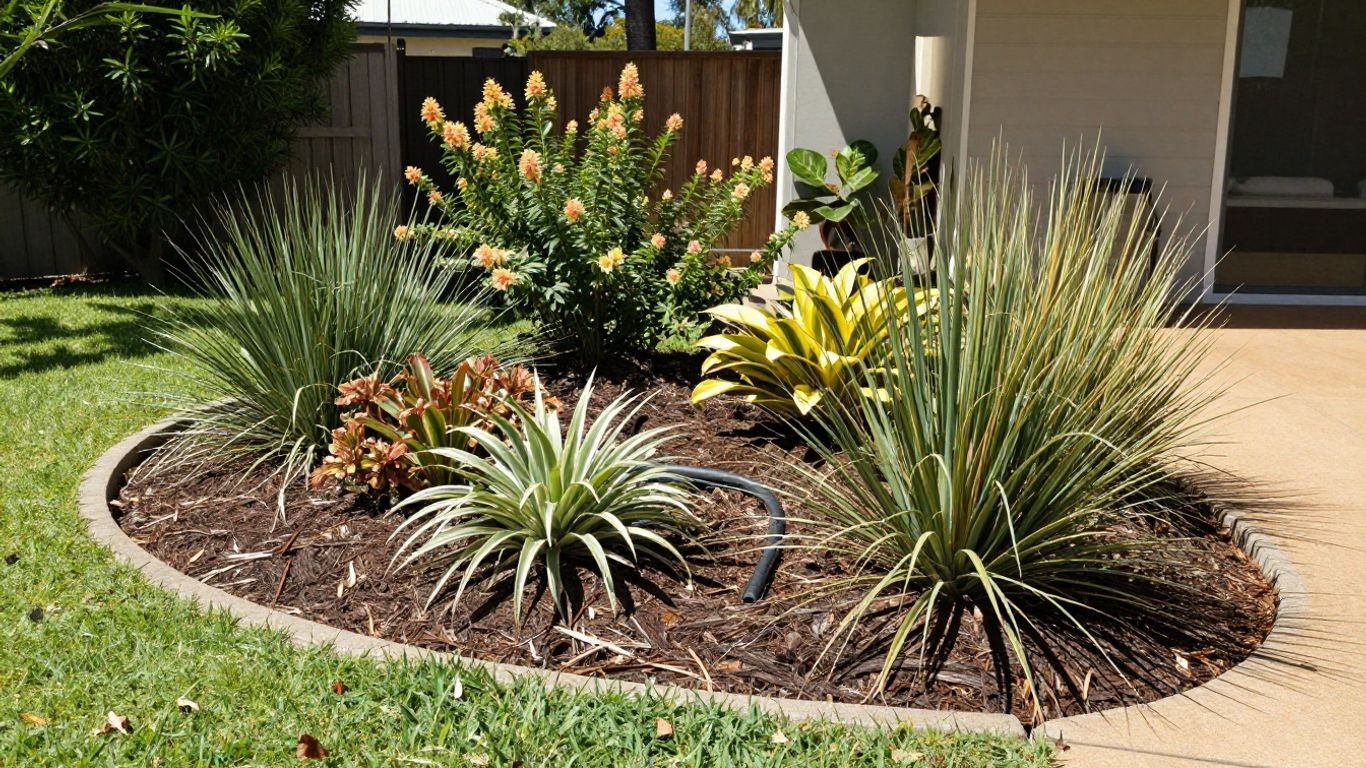
Check permits, plumbing codes, and setback requirements
Greywater rules differ between Australian states, territories and councils, and requirements can depend on the type of system and the water source. Before changing plumbing, homeowners should check current guidance from the relevant local authority and confirm whether a permit, approved components or licensed plumbing work is required. They should also establish any required distances from boundaries, buildings, waterways, bores or other sensitive areas. These checks are a planning step, not a substitute for advice from the authority responsible for the property.
Estimate how much greywater your household produces
The available volume depends on which fixtures are connected and how often they are used. A household that showers at different times or runs laundry in occasional batches may produce an uneven supply rather than a steady daily flow. A short record of likely water-producing activities can help reveal the pattern, while the system should still be designed around local requirements and the garden’s capacity. The goal is to use a realistic estimate, not to assume every litre can be sent outdoors.
Match water supply to soil, slope, and planting area
Soil that drains slowly may need broad, shallow distribution and careful attention to how much water reaches each spot. A steep slope can encourage runoff, while a level area with compacted soil can hold water at the surface. Check the garden after ordinary watering or rain, and identify areas where water already collects. Greywater outlets should serve planted ground that can absorb the flow, with room to divert water elsewhere when conditions are too wet.
Choose the right system design and components
System choice depends on the fixture, the route to the garden and how much control is needed. A modest gravity-fed layout may suit a short, downhill route, while a longer or more complicated route can need a different design. Components should be selected as a coordinated system, with access for inspection and a safe way to stop or redirect flow.
Compare laundry-to-landscape and branched-drain systems
A laundry-to-landscape arrangement diverts suitable washing-machine water to outdoor outlets, often without holding it in a storage tank. A branched-drain design divides flow among several outlets, generally using gravity and carefully planned pipe branches. Neither approach is automatically suitable for every home: fixture access, elevation, local requirements and the garden’s absorption capacity all matter. The useful comparison is how each option routes water and how readily the homeowner can inspect and maintain it.
Select pipes, valves, filters, and mulch basins
The system’s parts should suit the water source and the conditions around the house. Access points and diversion valves make it easier to inspect, shut off or redirect flow, while mulch basins help receive water around plants without leaving it exposed on the surface. Any strainer or filter needs to be appropriate to the system and easy to clean; it should not be treated as a replacement for suitable water sources or regular checks. The table summarises the job each component can play.
| Component | Main purpose | Planning point |
|---|---|---|
| Diversion valve | Routes water to the garden or an alternate drain | Keep it accessible for changes and maintenance |
| Pipework | Carries water from the fixture to garden outlets | Plan a protected route with suitable fall where gravity is used |
| Strainer or filter | Catches selected debris where the design calls for it | Make cleaning straightforward and follow system guidance |
| Mulch basin | Receives water around a planting area | Keep the outlet covered and prevent surface pooling |
The right combination varies with the layout; not every system uses the same fittings. Component placement should leave room to see whether water is flowing and to clear any blockage without digging up the whole route.
Decide when a pump or storage tank is appropriate
A pump may be considered where gravity cannot carry water to the intended garden area, but it adds equipment that needs power, access and upkeep. Storage deserves particular care because untreated greywater can deteriorate if it is held; some local rules restrict storage or require treatment. A design should not include a tank simply for convenience without checking its permitted use and safe operation. Where the route can work by gravity and immediate distribution, a simpler arrangement may be easier to manage.
Install the system with safety and soil protection in mind
Installation is more than connecting a drain to a garden pipe. The route must keep non-potable water separate from drinking-water plumbing and deliver it where soil and plants can absorb it. Before work begins, the homeowner should confirm the approved design and decide how the system will be switched off or bypassed when garden conditions change.
Map the plumbing route and garden outlets
Mark the selected fixture, the proposed pipe path, access points and each garden outlet before altering plumbing. Check levels along the route if the design relies on gravity, and avoid paths that cross areas likely to be damaged by digging or routine work. Outlets should be spaced to serve planted areas rather than concentrating all the flow in one low point. A clear sketch also makes later inspections easier and helps tradespeople understand the intended route.
Keep greywater out of drinking-water plumbing
Greywater must remain separate from potable water lines, with no cross-connection that could allow wastewater to enter drinking-water plumbing. The system should be clearly identifiable and installed with any required backflow protection or separation measures specified by local rules. Because plumbing requirements differ by location and system type, the homeowner should use appropriately qualified help where required and confirm the design with the relevant authority. This separation is a basic safety principle, not an optional finishing detail.
Direct water below the soil surface and away from runoff
Outlets should discharge beneath mulch or into covered basins so people and pets are not exposed to open flows. Position them to avoid pooling near foundations, neighbouring land, paths or stormwater drains. The ground should absorb the water without a visible stream moving across the surface; if it does not, reduce or pause the flow and reconsider the outlet placement. A diversion route back to the sewer or another approved destination helps when the garden cannot take the water.
Choose plants and plan the garden layout
Greywater works best as part of a garden designed around the water it can reliably receive. Plant needs, climate, soil and household routines all influence which areas should be connected. A thoughtful layout keeps the most water-dependent plants close to suitable outlets while leaving room for species that prefer drier conditions.
Select plants suited to your climate and watering needs
Choose plants that suit the local climate and the moisture levels created by the outlet pattern, rather than selecting plants solely because they tolerate occasional water. Australian gardens can face long dry spells, seasonal rain and local restrictions, so a plant’s established water needs matter. Keep water-loving plants where the soil receives more regular moisture and place drought-tolerant species farther away. Native plants are not all alike in their water requirements, so selection should be based on the conditions of the particular site.
Avoid applying greywater to edible leaves and root crops
Untreated greywater should not be sprayed onto edible parts of plants. It is generally prudent to avoid using it on leafy crops and root vegetables that may contact the soil, and to check local guidance before considering any food garden use. Fruit trees and other edible planting can also require specific precautions. When the permitted use is unclear, direct greywater to ornamental planting instead and keep produce watering separate.
Arrange planting zones to distribute water evenly
Group plants by their tolerance for moisture, and place outlets where water can spread through mulch and soil without forming a wet patch. A simple layout can divide the garden into zones, with the most frequent flow directed to plants able to use it and a separate route available when the ground is saturated. These steps help make the distribution more predictable:
- Put outlets within planted areas, not on bare paths or paving.
- Use more than one basin where a single spot would receive too much flow.
- Keep plants that prefer drier soil outside the regular wetting area.
- Leave access around outlets so mulch can be topped up and flow checked.
After the system is used, observe the soil and plants over time. If water pools or a plant shows signs of stress, adjust the outlet pattern rather than assuming the whole garden needs more water.
Maintain the system and solve common problems
A greywater garden system changes with household routines and the seasons, so maintenance is mostly about noticing those changes early. Regular, simple checks can reveal blockages, soggy soil or an outlet that no longer reaches its intended basin. The system should also be easy to bypass when its water is unsuitable or the garden has no capacity to absorb it.
Use suitable soaps and household cleaning products
Household products travel with the water, so choose products that are suitable for the intended garden use and follow local system guidance. Avoid assuming that a product is harmless because it is labelled natural or biodegradable; ingredients and concentrations still matter. Products containing salts, bleach or other harsh cleaning agents can be unsuitable for plants and soil. If a household needs to use a product that is not compatible, divert that water away from the garden.
Inspect outlets, mulch basins, and pipes regularly
Check that outlets are open, covered and sending water to the intended areas. Look for standing water, unpleasant odours, unusually wet ground, plant decline or signs that a pipe has shifted or become blocked. Remove debris from accessible strainers where the design includes them, and refresh mulch when it no longer protects the outlet or basin. If a problem persists, stop the flow to the garden until the cause has been found.
Adjust the system for rain, winter, and changing water use
During wet weather or when the soil is already saturated, divert greywater away from the garden rather than adding more. In cooler seasons, plants may use less water, and freezing conditions in some locations can affect exposed pipework. Household patterns also change, so an outlet that worked well may receive too much or too little when laundry or bathing routines shift. A seasonal check of valves, basins and the alternate drainage route helps the system remain manageable.
Conclusion
A successful greywater garden system starts with suitable water sources, local requirements and a realistic understanding of the garden’s soil and planting needs. A simple, accessible design can make household water useful outdoors, provided it stays separate from drinking water, reaches the soil safely and can be diverted when conditions call for it. Careful planning and regular observation matter more than adding complexity.
Frequently Asked Questions
What is a greywater garden system?
It is an arrangement that redirects selected household wastewater, such as water from a shower or washing machine, to suitable garden areas for non-drinking use. The acceptable sources and design depend on local requirements.
Which household water can usually be reused?
Water from showers, baths, bathroom basins and laundry is commonly considered greywater, subject to local rules and the system design. Toilet water is sewage, and kitchen wastewater may be restricted or treated differently.
Can greywater be stored for later use?
Storage of untreated greywater can create health and odour concerns, and some places restrict it or require treatment. The homeowner should check local requirements before including any storage in a design.
Is greywater safe for vegetable gardens?
Use on food crops can be subject to specific safeguards and local rules. Untreated greywater should not be sprayed onto edible parts, and leafy crops and root vegetables are best kept away from it unless authoritative guidance confirms an appropriate method.
Do greywater systems need a filter?
Some designs use strainers or filters, while others rely on different arrangements. The required components depend on the system; a filter does not make unsuitable source water appropriate for garden use.
What should happen when the soil is already wet?
The flow should be diverted away from the garden when soil cannot absorb more water. A suitable alternate drainage route and accessible diversion valve make this easier to manage.
Should a homeowner install the plumbing themselves?
That depends on local plumbing rules and the system being installed. Homeowners should check current requirements and use qualified plumbing assistance wherever it is required or needed to maintain safe separation from drinking-water plumbing.