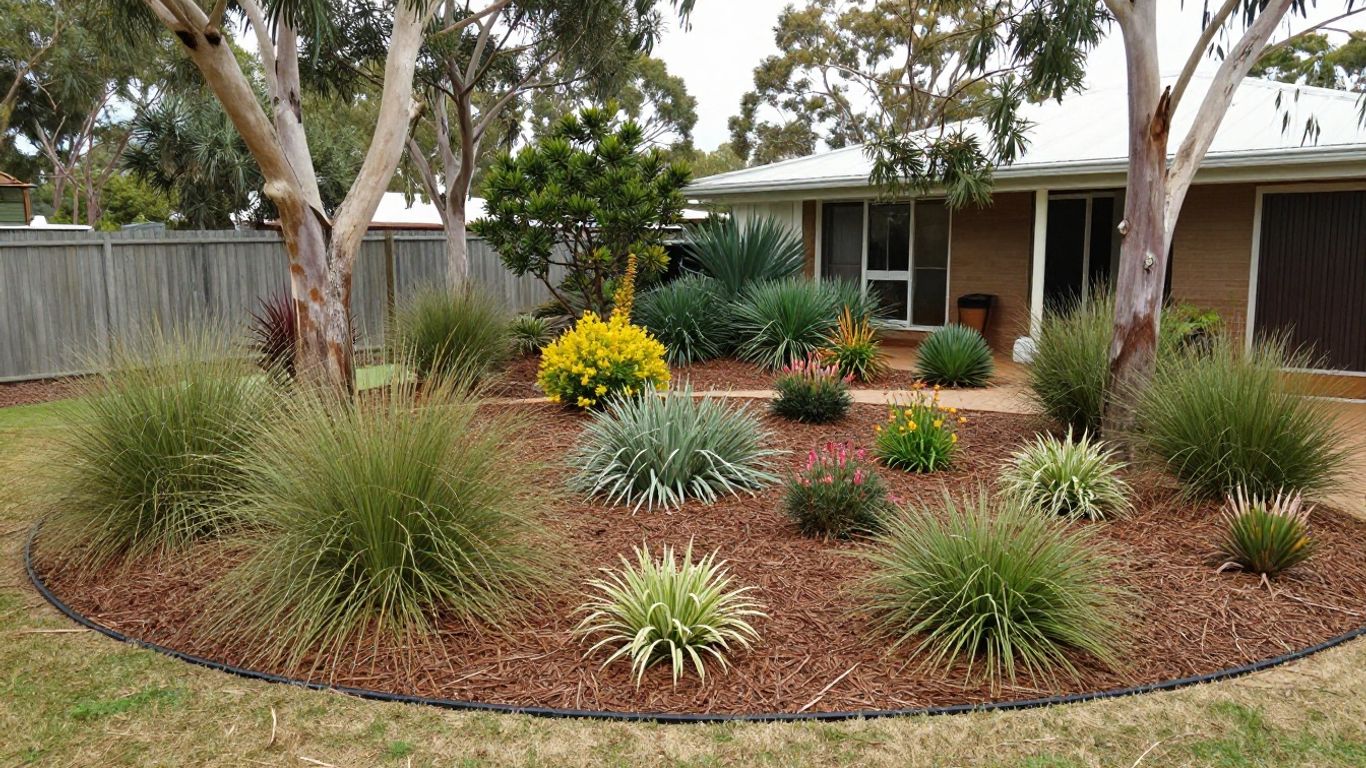
Understand how a greywater garden system works
A greywater garden system redirects selected household wastewater to planted areas instead of sending every drop through the sewer or septic system. It works best when the water is used soon after it leaves the house, delivered below the surface, and matched to soil and plant needs. The aim is not to make wastewater drinkable, but to use a modest, carefully managed flow to support a healthy landscape.
What greywater is and where it comes from
Greywater is gently used water from sources such as showers, bathroom basins, laundry tubs, and washing machines. Kitchen sink water is often excluded because food particles, grease, and cleaning residues can create greater hygiene and drainage concerns. The water may look clear, but it is not potable and should be treated as a resource requiring sensible handling.
How greywater differs from blackwater
Blackwater contains toilet waste and has a much higher pathogen and organic load, so it requires more stringent treatment. Greywater generally breaks down more quickly, but that does not make it harmless or suitable for drinking. Keeping the two streams separate is a basic design principle, and toilet connections should never be diverted to a garden system.
The benefits for gardens, soil, and water use
Used thoughtfully, greywater can supplement irrigation around trees, shrubs, and other established plantings. It can reduce reliance on treated mains water and keep useful moisture in the garden during dry periods. Good design matters more than volume: a small, evenly distributed flow is usually safer and more useful than a large amount discharged in one place.
Common limitations and potential risks
Greywater can contain lint, hair, soap residues, salts, and organic matter. Too much water in one area may cause pooling, unpleasant smells, root problems, or movement of contaminants into drainage lines. Untreated greywater should not be stored for long periods, and the system needs a bypass so wastewater can return to the normal drain during maintenance, illness in the household, or heavy rain.
Check local rules and choose a safe location
A suitable location is as important as the pipework. Australian requirements differ between states, territories, councils, and system types, so a homeowner should check the relevant authority before altering plumbing or installing treatment equipment. The garden should also have enough soil depth, room for dispersal, and safe access for inspection.
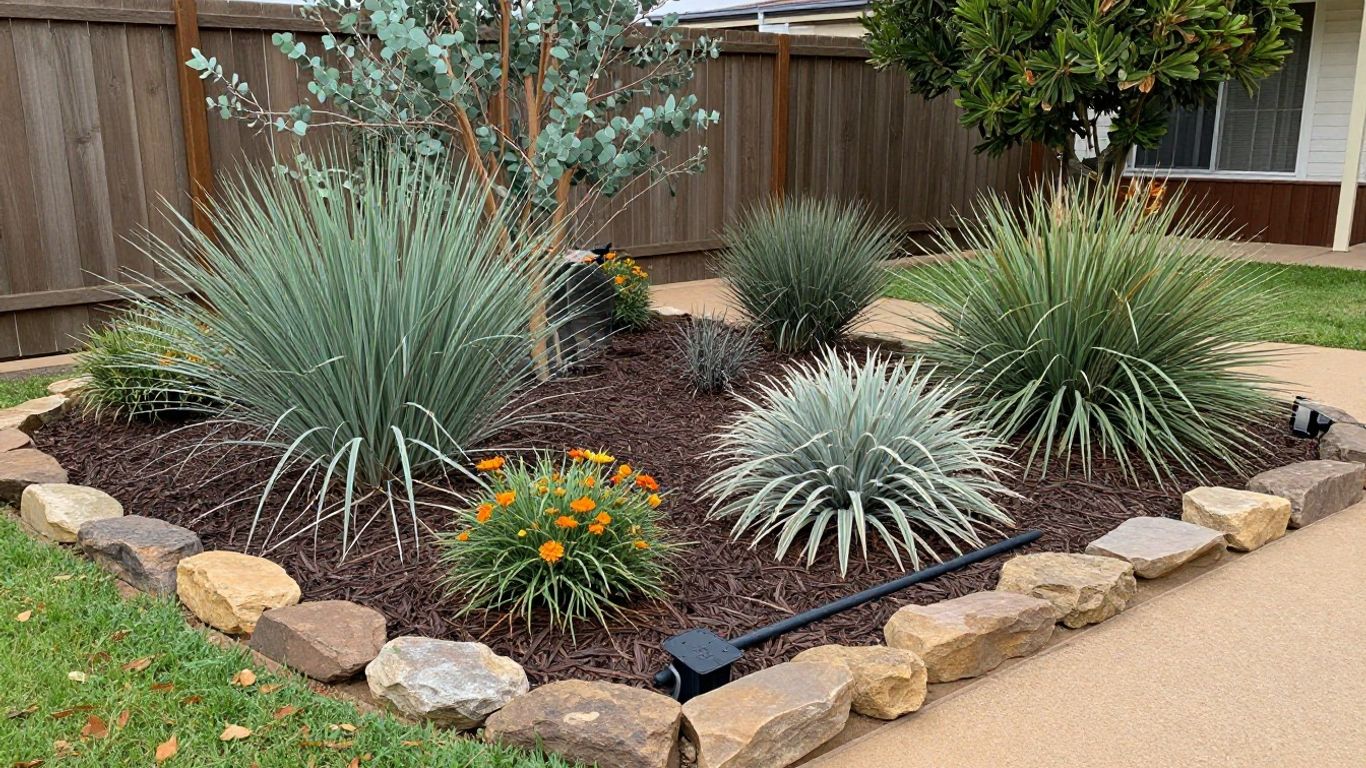
Reviewing plumbing and wastewater regulations
Before work begins, the household should check whether a licensed plumber, council approval, or a particular treatment standard is required. Requirements may cover which water sources can be diverted, how outlets are protected, where pipes can run, and how overflow is managed. Written guidance from the local council or water authority is more reliable than a general design copied from another property.
Identifying suitable household water sources
Showers, bathroom basins, and laundry water are common starting points, provided the plumbing and cleaning products are suitable. A washing machine may be convenient to divert, although its flow can arrive in short, uneven bursts. Kitchen wastewater and toilet wastewater are usually better left connected to the conventional drainage system unless a specifically approved design says otherwise.
Keeping systems away from wells and waterways
Distribution areas should be separated from drinking-water wells, bores, creeks, dams, stormwater inlets, and property boundaries as required by local rules. The system should not allow runoff to leave the property or reach a waterway. Where the site is uncertain, a qualified plumber or wastewater professional can assess the soil, groundwater, and drainage risks before installation.
Considering slope, drainage, and garden access
A gentle slope can help gravity-fed distribution, while a steep or irregular block may need careful flow control. Low points that already collect rainwater are poor locations because additional greywater can keep the soil saturated. The garden should also leave space around valves, inspection points, and basins so the system can be checked without damaging plants.
Choose the right greywater treatment and distribution method
The most suitable arrangement depends on the amount and timing of household flow, the site slope, soil drainage, and the plants being watered. Some gardens can use simple subsurface distribution, while others need filters, pumps, or a more formal treatment unit. A system should be designed around the garden that exists, rather than forcing the garden to accept more water than it can absorb.
Comparing branched drains, mulch basins, and filtration
Branched drains divide flow into several low-volume paths, while mulch basins spread water beneath a layer of organic material around selected plants. Filtration can remove lint and larger particles before distribution, but it adds components that need cleaning. The decision should reflect soil and flow conditions, not just the apparent simplicity of the equipment.
A basic comparison can help clarify the trade-offs:
| Method | Useful where | Main consideration | Typical maintenance |
|---|---|---|---|
| Branched drains | Sloping gardens with several planting zones | Flow must be balanced between branches | Check outlets and clear blockages |
| Mulch basins | Trees and shrubs with defined root areas | Basins need suitable size and drainage | Replace or top up mulch |
| Filtration | Systems with noticeable lint or particles | Filters can restrict flow when dirty | Clean screens or cartridges regularly |
The table is only a starting point. A mulch basin may suit one part of a block while a filtered, pumped arrangement is safer elsewhere, particularly where the natural slope is limited.
Deciding between gravity-fed and pumped systems
Gravity-fed systems use the property’s fall to move water and can be relatively simple when the source and garden are well placed. Pumped systems offer more flexibility where the garden is uphill or far from the collection point, but pumps introduce power, controls, and additional failure points. Whichever option is chosen, it should include a bypass and a way to stop flow during maintenance.
Selecting pipes, valves, and inspection points
Pipes should be suitable for wastewater use and laid so they can be inspected or cleared. Valves allow sections of the garden to be isolated when one basin is saturated or needs repair. Inspection points should remain accessible, clearly understood by household members, and protected from accidental damage during mowing or digging.
Matching water flow to garden size and needs
The distribution area should be sized for the household’s likely flow and the soil’s ability to absorb it. A garden that receives occasional laundry water may need a different arrangement from one supplied by daily showers. It is sensible to begin conservatively, observe the soil, and expand only if the first planting zones remain well drained.
Select plants that thrive with greywater
Plant choice influences whether a greywater garden stays attractive and resilient. Low-water Australian landscapes often include hardy native trees, shrubs, grasses, herbs, and flowering plants, but not every drought-tolerant species enjoys regular moisture or soap residues. Grouping plants according to water and salt tolerance makes later maintenance much easier.
Choosing hardy trees, shrubs, herbs, and flowers
Established trees and shrubs are often better candidates than delicate annuals because their root systems can use moisture spread through a basin. Tough herbs and flowering plants may work at the drier edges, provided their edible parts are protected from untreated water. Local nurseries can suggest species suited to the region, soil, frost exposure, and amount of shade.
Avoiding edible parts that touch untreated water
Untreated greywater should not be sprayed onto vegetables, fruit, or herbs that will be eaten raw. Edible plants are safer when they are supplied separately with potable or rainwater, or positioned so water enters the soil well away from the edible portion. Fruit from trees receiving subsurface water still needs careful consideration, especially where low branches could contact mulch or wet soil.
Grouping plants by moisture and salt tolerance
Plants with similar needs should share a distribution area rather than receiving the same flow by default. A simple grouping plan might include:
- Moisture-tolerant trees near the main mulch basin.
- Hardy shrubs on the outer, moderately watered edge.
- Drier-climate plants in areas that receive little or no greywater.
- Salt-sensitive species supplied separately with cleaner water.
This arrangement reduces stress caused by both overwatering and under-watering. It also makes it easier to adjust one zone without disturbing the rest of the garden.
Adjusting soil for long-term plant health
Healthy, well-drained soil gives greywater somewhere to disperse. Organic mulch can protect the surface and support soil life, while compacted or clay-heavy ground may need professional assessment before it is used for regular discharge. Soil amendments should be chosen carefully, because adding material without understanding drainage can create a shallow wet layer rather than improve the root zone.
Install and operate the system responsibly
Installation should keep wastewater contained from the point of diversion to the final distribution area. Household members need to know which drains are connected, what products are suitable, and when the bypass should be used. A well-run system is quiet and unremarkable: there is no visible runoff, persistent odour, or wet footpath.
Routing water from sinks, showers, and laundry
A licensed professional should handle plumbing changes where required, particularly when pipes pass through walls, floors, or existing drainage lines. Each source should have a sensible route to the garden, with access for cleaning and a reliable return path to the sewer or septic system. The design should prevent cross-connections with drinking-water plumbing and keep outlets below the mulch surface.
Using biodegradable, low-salt cleaning products
Soaps and detergents enter the garden along with the water, so product choice affects soil and plant health. Biodegradable products with low salt, low phosphorus, and fewer harsh additives are generally more suitable than heavily fragranced or highly concentrated alternatives. Even a garden-friendly product should be used in moderation, since repeated loading can still change soil conditions.
Preventing pooling, odors, and accidental runoff
The surface around each outlet should remain covered and absorbent rather than exposed and muddy. If water appears at the surface, smells sour, or moves towards a boundary, the flow should be stopped while the cause is investigated. Common causes include a blocked outlet, saturated soil, an undersized basin, or a valve directing too much water to one area.
Applying mulch and maintaining distribution areas
A generous layer of coarse mulch helps spread water, reduce evaporation, and keep people and pets away from direct contact with the wet soil. Mulch gradually breaks down and needs topping up, especially after heavy rain or periods of frequent use. It should not cover inspection lids or be piled against plant stems and tree trunks.
Maintain, monitor, and improve your greywater garden
A greywater garden needs observation rather than constant adjustment. The first signs of trouble often appear in the soil or plants before a pipe visibly fails. A short inspection routine after installation, then at sensible intervals, can protect the garden and reveal whether the distribution area is correctly sized.
Checking filters, pipes, valves, and mulch basins
Filters and screens should be checked for lint and sediment before they restrict flow. Pipes, junctions, and valves should be inspected for leaks, movement, or blockages, while mulch basins should remain open enough to accept water without ponding. A household log can record cleaning, repairs, rainfall, and any changes in plant condition.
Watching for soil salt buildup and plant stress
White crusts on the soil, browning leaf edges, poor growth, and a sudden change in drainage may indicate salt accumulation or unsuitable cleaning residues. The response may involve reducing greywater flow, improving drainage, changing household products, or occasionally flushing the area with appropriate clean water where local conditions allow. Plants that consistently decline may simply be in the wrong zone.
Managing seasonal changes and heavy rainfall
The system may need a different operating pattern in cool, wet weather than during a hot, dry summer. Heavy rain can saturate basins, so a functioning bypass is essential when the soil cannot accept more water. During extended dry periods, plants may need supplemental irrigation from another source if household greywater is insufficient.
Troubleshooting clogs, leaks, odors, and slow drainage
A blocked filter or outlet should be cleaned before the system is altered more extensively. Persistent smells can indicate stagnant water, excess organic material, or a basin that is too small; slow drainage can point to compacted soil or saturation. The following sequence keeps troubleshooting controlled:
- Stop the greywater flow and use the normal drain route.
- Check the filter, outlet, valve position, and visible pipework.
- Inspect the mulch basin for pooling, compacted mulch, or root intrusion.
- Restore flow gradually and watch the area for several days.
If the problem returns, the system may need redesign rather than another quick clearing. A qualified professional can assess hidden pipework, pump controls, soil drainage, and compliance with local requirements.
Conclusion
A greywater garden system can support a water-saving Australian landscape when its water sources, location, distribution method, plants, and maintenance routine are considered together. Safe separation from blackwater, careful product choices, good drainage, and regular observation keep the benefits practical without shifting problems elsewhere. Starting small and adapting to the site gives the garden the best chance of remaining healthy over time.
Frequently Asked Questions
Is greywater safe for every garden?
No. Greywater is not drinking water and may contain soaps, salts, lint, and microbes. It should be used only in a properly designed area, with local requirements checked and direct contact with edible parts avoided.
Can kitchen sink water be used in a greywater garden system?
Kitchen water often contains grease, food particles, and stronger residues, so it is commonly excluded from simple systems. The household should follow local guidance and use an approved design if kitchen water is to be treated and reused.
Should greywater be stored in a tank?
Untreated greywater is generally best used soon after it is produced rather than stored for long periods. Storage can increase odours and microbial activity, so any tank or treatment arrangement should follow an appropriate approved design.
How far should a greywater system be from a creek or bore?
The required separation varies with local rules, soil, groundwater, and the type of system. The location should be checked with the relevant council or water authority before installation, and runoff must not reach waterways or drinking-water sources.
Can greywater be sprayed on vegetables?
Untreated greywater should not be sprayed onto vegetables or other edible parts. Subsurface delivery to suitable non-edible plantings is a safer approach, while food crops can be watered separately.
What plants handle greywater well?
The best choices are plants suited to the local climate and the particular moisture and salt conditions of the site. Hardy trees and shrubs are often more forgiving than delicate species, but each planting zone still needs observation.
What is the first sign of a failing greywater system?
Pooling, foul odours, wet paths, slow drainage, leaf damage, or white deposits on soil can all signal a problem. The flow should be diverted to the normal drainage route while filters, outlets, mulch, soil, and valves are checked.